
Emotional Regulation, Loneliness and Heart Health: Looking Beyond Stress Management
- Mar 4
- 3 min read
Updated: May 29
heart health discussions rarely include social relationships. yet the strength and quality of social connection can predict cardiovascular outcomes as robustly as many behavioural risk factors. loneliness is not simply an emotional experience. it is associated with measurable changes in inflammatory signalling, nervous system balance and stress hormone activity.
what science says
a large systematic review and meta-analysis showed that poor social relationships are associated with a significantly increased risk of all-cause mortality, comparable in magnitude to established behavioural risk factors (Holt-Lunstad et al., 2015). more specifically for cardiovascular outcomes, loneliness and social isolation are associated with increased incidence of coronary heart disease and stroke (Valtorta et al., 2016).
after the pandemic, most of us have experienced some form of social isolation and have felt how deeply we are wired for connection. without dwelling too much on that period, it serves as a reminder that meaningful relationships are not a luxury, but a fundamental component of long-term health.

biological pathways linking loneliness and the heart
loneliness is associated with heightened sympathetic activation and reduced parasympathetic control. this shifts heart rate variability and blood pressure regulation in an unfavourable direction. chronic social stress also increases markers that signal inflammation, including C-reactive protein and interleukin-6 — both predictive of cardiovascular events.
emotional regulation matters as much as social exposure
not all social environments are protective. emotionally dysregulated or conflict-laden relationships can increase physiological stress load. experimental studies show that individuals with poorer emotion regulation display larger cardiovascular responses during stress tasks and slower recovery afterwards (Chida and Hamer, 2008).
research suggests that loneliness — the subjective feeling of lacking meaningful connection — may matter more for cardiovascular health than objective social isolation alone. people who feel lonely can show elevated cardiovascular risk even when they are not socially isolated, whereas individuals who spend more time alone but do not experience loneliness often show weaker associations with cardiovascular risk.
what does this mean in practice?
being alone without stress, if it truly feels peaceful rather than lonely, is unlikely to carry the same cardiovascular risk as feeling chronically lonely
being in a supportive, low-stress relationship is generally protective for heart health (linked to lower stress hormones and inflammation)
being in a stressful or conflict-laden relationship elevates physiological stress, which also increases cardiovascular risk
the lowest risk scenario, supported by epidemiological evidence, is having meaningful, supportive social connections that reduce stress (Xia et al., 2018).
social connection over food
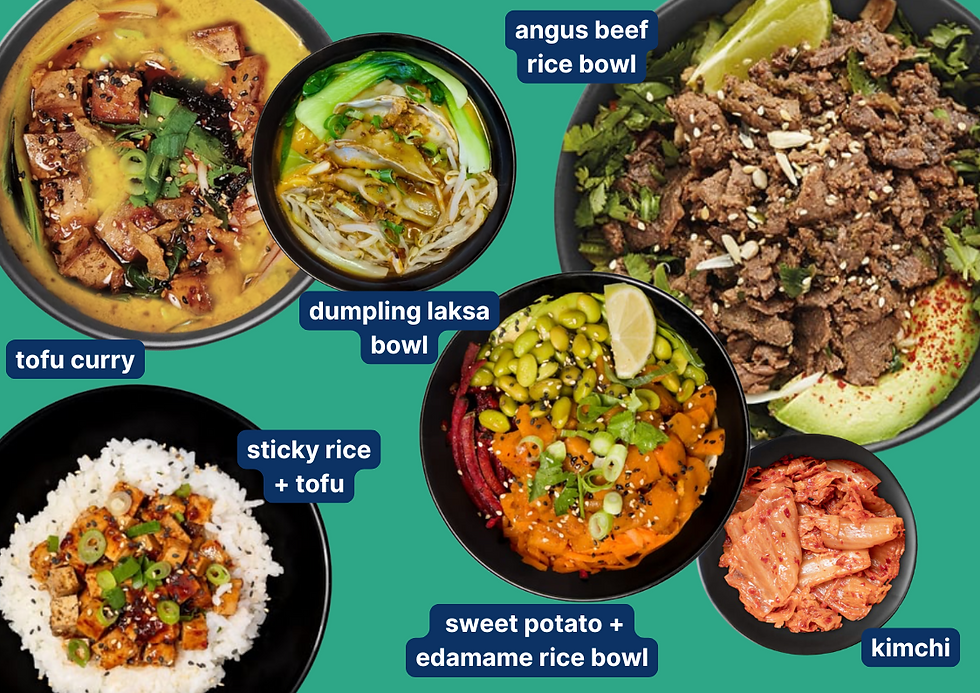
shared meals remain one of the most reliable social anchors in daily life. korean food culture, which underpins the approach at Grounded Kitchen, centres around shared dishes, slower eating and communal preparation. these patterns support social connection — and indirectly, heart health — alongside nutritional quality.
heart health is therefore not only influenced by what is eaten, but by how meals are structured socially. this aligns with observations from the blue zones, where meals are typically shared with family or community and social connection forms a routine part of daily eating patterns.
a modern cardiovascular blind spot
many adults — as well as teenagers today — experience high digital contact but low meaningful connection. cardiovascular risk frameworks rarely account for this shift. supporting emotional regulation, social participation and relational stability should be viewed as part of cardiovascular prevention, not as peripheral wellbeing concerns.
heart health is shaped not only by movement, sleep and diet, but by how supported and regulated the nervous system remains across daily life.
Written by: Gabi Zaromskyte, MSc, ANutr
Registered Nutritionist | Intuitive Eating Counsellor | Holistic Health Coach
Comments