
Feel better with the benefits of fibre.
Only 9% of UK adults get enough fibre- and most are missing out on its powerful benefits.
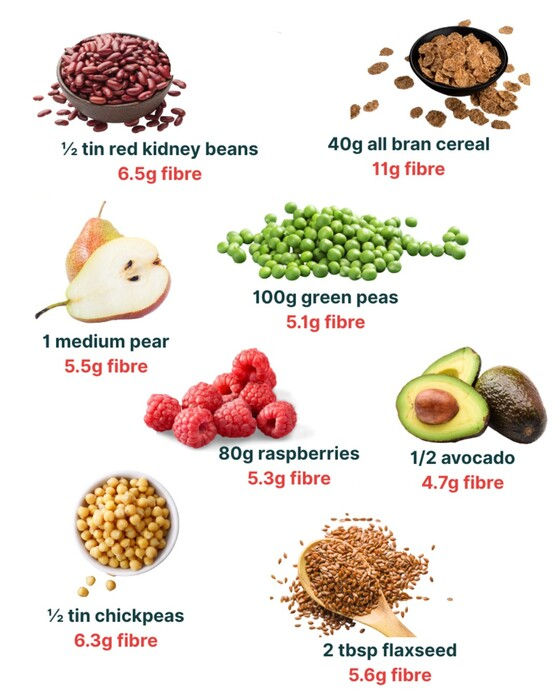
High fibre foods include red kidney beans, all bran cereal, medium pear, green peas, raspberries, avocado, chickpeas, flaxseed.
Fibre does more than keep your digestion on track.
It supports heart health, balances blood sugar, lowers the risk of colorectal cancer (the UK’s 4th most common cancer), and helps protect against type 2 diabetes and obesity, especially in children.
Yet with most adults getting just 19g a day (vs the recommended 30g), fibre is one of the most overlooked nutritional building blocks. we believe everyone deserves access to nourishing, fibre-rich meals. no matter where they live or how much they earn. but first, let’s break down what fibre really is.
Fibre 101: the benefits.
Fibre is a type of carbohydrate your body can’t digest. Instead, it travels through your digestive system and does incredible work along the way. A balance of both soluble fibre and insoluble fibre is essential, and easy to get with a colourful, whole-food diet.
Soluble fibre is found in oats, beans, and fruits. it dissolves in water and helps lower cholesterol and balance blood sugar.
benefits of soluble fibre:
promotes satiety
lowers cholesterol
improves gut health
helps regulate blood sugar

soluble fibre foods including carrots, beans, and apples.

insoluble fibre foods, including sweet potato, cauliflower, and corn
Insoluble fibre is found in whole grains, vegetables, and nuts. it keeps your digestion moving and reduces constipation.
benefits of insoluble fibre:
helps relieve constipation
supports a healthy gut lining
meet Gabi. our lead nutritionist.
We’re excited to introduce Gabriele (Gabi). Zaromskyte, Registered Nutritionist (ANutr), MSc Nutrition (King’s College London), and your new expert guide at Grounded Kitchen.
Gabi brings deep expertise in gut health, intuitive eating, and chronic disease prevention.
She’s worked across private practice, public health (including NHS projects), and brand development — and even published her research in Frontiers in Nutrition.
Beyond the science, Gabi’s personal experience with disordered eating fuels her non-restrictive, practical approach to health: nutrition that fits your real life.
Comments