
Inflammation decoded
inflammation has become a wellness buzzword, blamed for everything from brain fog to weight gain. but when the hype is stripped away, inflammation is your body's essential defence mechanism. the problem isn't inflammation itself – it's when this protective response refuses to switch off.
two types, entirely different consequences.
acute inflammation
this is your immune system working exactly as designed. when you cut your finger, twist your ankle, or catch a virus, specialised immune cells rush to the site within minutes. blood vessels dilate, allowing white blood cells to flood the area. you experience the classic signs: redness, heat, swelling, and pain. this process typically resolves within hours to days once the threat is eliminated (Furman et al., 2019).
chronic inflammation
chronic inflammation operates completely differently. rather than a targeted, time-limited response, it's a persistent, low-grade activation of immune pathways throughout your body. this state can continue for months or years, often without obvious symptoms initially. you might not feel "inflamed," yet inflammatory molecules steadily circulate, affecting tissues far from any injury site.
why gut health is your inflammation switch.

here is what many don’t know about chronic inflammation:
it often originates in your gut. when intestinal permeability increases – commonly called "leaky gut" – bacterial fragments and partially digested food particles can cross into your bloodstream. your immune system recognises these as foreign invaders, triggering inflammatory responses repeatedly throughout each day (Furman et al., 2019).
this explains why chronic inflammation shows up in seemingly unrelated places. the inflammatory signals generated in your gut travel systemically via your bloodstream, affecting joints, blood vessels, brain tissue, skin and metabolic organs. research demonstrates that people with higher markers of gut permeability consistently show elevated inflammatory markers like C-reactive protein (CRP) and interleukin-6 (IL-6) (Calder et al., 2021).
the inflammatory root of modern disease.
during acute inflammation, your immune system identifies a specific problem, responds proportionally, then subsides. in contrast, chronic inflammation creates confusion at the cellular level. your immune cells remain activated but can't locate a clear enemy to defeat. this creates what researchers call "sterile inflammation" – inflammation without infection.
this persistent low-grade inflammation isn't merely uncomfortable – it's increasingly recognised as a common pathway underlying most chronic diseases. large-scale population studies demonstrate that elevated inflammatory markers can predict future development of cardiovascular disease, type 2 diabetes, certain cancers, Alzheimer's disease, and depression years before clinical symptoms appear (Furman et al., 2019).
while these conditions seem entirely distinct, they are connected by the same inflammatory mechanisms.
chronic inflammation:
promotes insulin resistance in diabetes
drives arterial plaque formation in heart disease
creates an environment conducive to cancer cell survival
damages neurons in cognitive decline and
disrupts neurotransmitter balance in mood disorders
this explains why addressing chronic inflammation through lifestyle factors, rather than treating each disease separately, may prevent multiple conditions simultaneously.
the lifestyle inflammation cycle.

several factors drive chronic inflammation, often working synergistically:
ultra-processed foods packed with refined ingredients promote inflammatory pathways
chronic stress keeps cortisol elevated, which paradoxically reduces immune regulation over time
disrupted sleep prevents proper immune system recalibration that normally occurs during deep sleep phases
physical inactivity allows inflammatory molecules to accumulate rather than being cleared through muscular contractions
gut microbiome dysbiosis – an imbalance in intestinal bacterial populations – both results from and perpetuates chronic inflammation. beneficial bacteria normally produce anti-inflammatory metabolites like butyrate while maintaining the intestinal barrier. when harmful bacteria dominate, they generate inflammatory compounds and weaken gut integrity.
prevention starts with daily patterns.
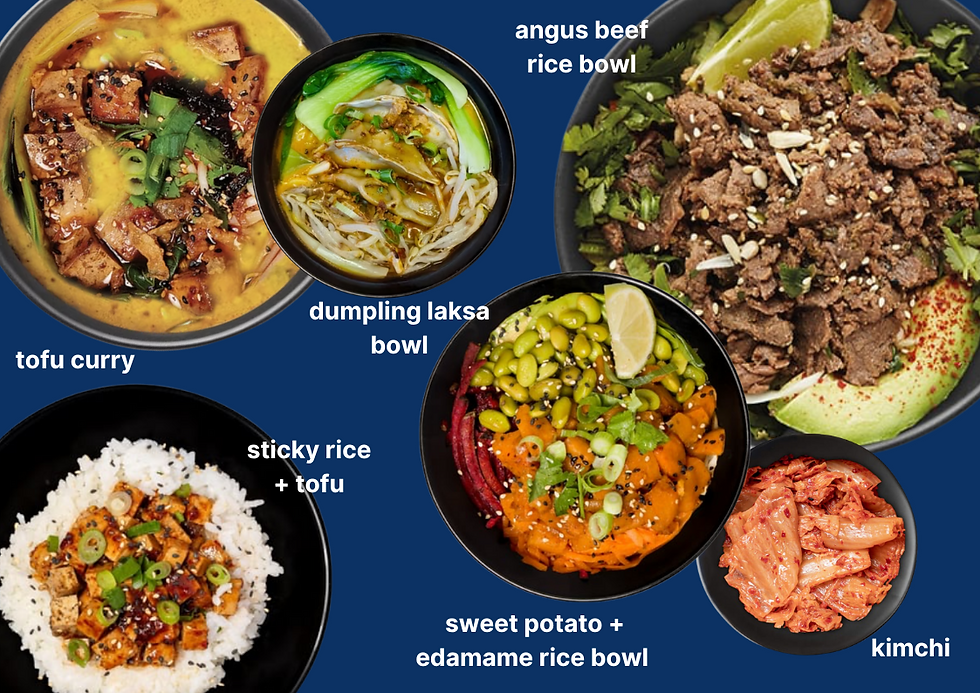
reducing chronic inflammation doesn't require pharmaceutical intervention for most people. consistent patterns matter more than perfect days. regular consumption of diverse plant fibres feeds beneficial gut bacteria that produce anti-inflammatory metabolites. fermented foods like our Grounded Kimchi help introduce beneficial microbes whilst providing bioactive compounds that regulate immune responses. adequate sleep, regular movement, and stress management all support inflammatory resolution pathways.
the korean approach to eating naturally incorporates anti-inflammatory principles through balanced meals featuring fermented vegetables, diverse plant foods, and moderate portions consumed regularly rather than sporadically. this consistency helps maintain the stable gut environment where chronic inflammation struggles to take hold.
Written by: Gabi Zaromskyte, MSc, ANutr
Registered Nutritionist | Intuitive Eating Counsellor | Holistic Health Coach
Comments