
intermittent fasting vs smaller, frequent meals.
which approach does your gut prefer?
intermittent fasting isn't a new concept, but with new research coming out continuously, the debate is still on about how often should we eat. some champion fasting, while others argue for smaller, frequent meals spread across the day. both approaches promise energy, better metabolism, and even long-term health benefits. but what does the evidence really say?
understanding intermittent fasting.
intermittent fasting (IF) refers to restricting eating to defined periods, such as the popular 16:8 method (16 hours fasting, 8 hours eating) or a gentler 14:10 rhythm. a recent large-scale digital nutrition study involving tens of thousands of participants found that adopting a 14:10 pattern for just two weeks was associated with an average 18% increase in energy and a 9% improvement in mood.
human trials also highlight measurable health benefits. an early randomised controlled trial by sutton et al. (2018) found that an early eating window (all meals consumed before 3 p.m.) improved insulin sensitivity and lowered blood pressure in men with prediabetes, independent of weight loss.
other reviews suggest intermittent fasting can support blood sugar control, reduce LDL-cholesterol (the “bad” type), total cholesterol and triglycerides, and aid weight management to a similar extent as traditional calorie restriction (cui et al., 2020; tinsley et al., 2015).

a common concern regarding IF is hunger during the longer gaps between meals. however, a well-controlled trial found that, in healthy adults, increasing meal frequency (from 3 to 8 eating occasions) did not suppress appetite - on the contrary, subjective hunger was somewhat higher under frequent eating conditions (Perrigue et al. 2016). this is perhaps due to the reality familiar to many - when you're exposed to food, it is hard not to eat, even if you're not so hungry.
so, should you start fasting?
keeping the benefits above in mind, fasting is not a silver bullet. outcomes vary between individuals, and longer fasting windows may not be sustainable or suitable for everyone. for example, intermittent fasting should not be used as an excuse to simply eat less or skip meals. when fasting turns into under-eating, it can fuel disordered eating behaviours and contribute to the same yo-yo cycles that many diets create.
evidence also suggests potential downsides for women, where aggressive fasting may disrupt menstrual regularity, bone health, or hormonal balance. it is important to note, however, that a previously described 14:10 approach is not considered as an aggressive form of fasting.
the alternative approach.
the alternative approach is to eat three to six times per day, spreading food and energy evenly. this is often recommended for athletes, highly active individuals, or those who struggle with blood sugar dips.
what is clear is that the total calorie consumption over a 24h period is more significant than fasting or eating smaller meals more frequently. studies find little difference in body weight or fat loss outcomes between frequent and less frequent eating when calories are matched.
when you eat matters as much as what you choose.
a large digital nutrition study also suggest that when you eat matters as much as how often. people who snacked earlier in the day tended to experience more favourable blood sugar and blood fat responses compared to those who snacked late at night — highlighting that late-evening eating, regardless of frequency, may undermine metabolic health.
this timing effect isn't just about human metabolism - your gut microbiome operates on its own circadian rhythm. when you eat in alignment with these natural rhythms, beneficial bacteria are primed to ferment fibre efficiently and produce metabolites like short-chain fatty acids when your body can best use them. late-night eating disrupts this bacterial clock, potentially reducing the diversity and metabolic capacity of your microbiome (Liang et al., 2015).
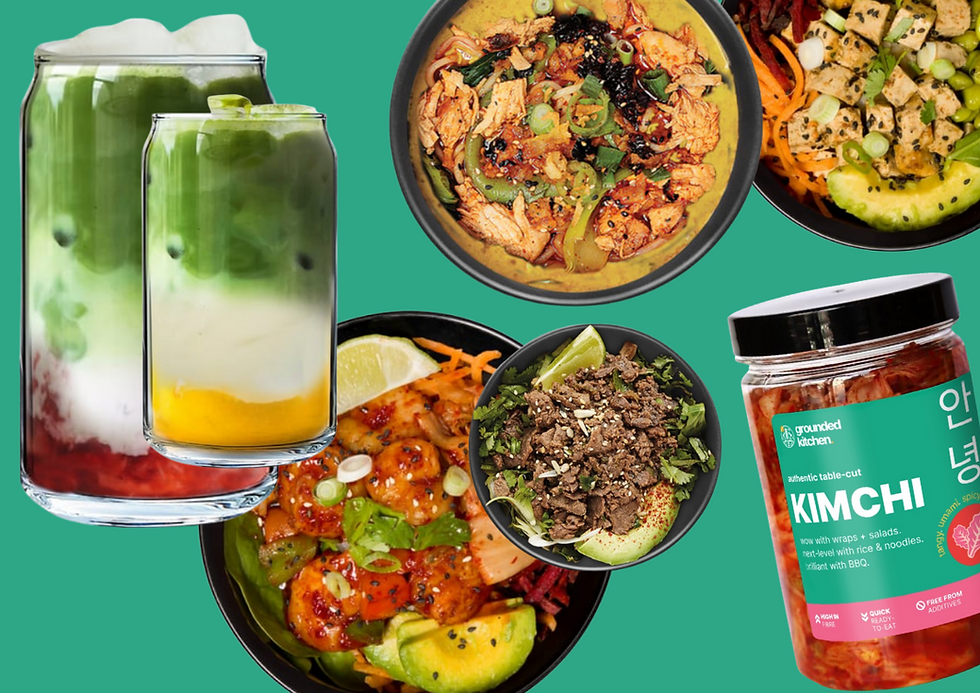
supporting this natural rhythm with consistent meal timing, paired with regular fermented food intake like Grounded Kimchi (available in participating stores), may help synchronise both your metabolism and your microbiome's daily patterns.
in short, the quality and timing of meals appear more important than frequency alone.
is fasting exaggerated?
overall, the idea of ‘fasting’ often exaggerates what intermittent fasting really is — many of the benefits are seen with a 10-hour eating window, without an actual need to fast. in practice, this simply means avoiding food very early in the morning and late at night. this closely mirrors the traditional pattern of 2–3 meals a day with limited snacking found in many cultures, including Korean.
finding your rhythm
sustainability matters most: whichever rhythm supports steady energy, focus, and satisfaction without creating stress or obsession — is the right one for you.
for many, a flexible approach works best. this may look like reducing your eating window to 10h during the week, but allowing yourself to enjoy social occasions, where eating and drinking may continue later into the evening.
Comments