
Tracking macros and counting calories vs eating intuitively
the nutrition world seems divided into two camps: the meticulous macro trackers with their apps and food scales, and the intuitive eaters who've sworn off counting forever. both sides claim their approach is superior, but the answer isn't which method is universally better - it's which approach serves your current needs, lifestyle, and relationship with food.
what intuitive eating actually means.
intuitive eating, developed by dietitians Evelyn Tribole and Elyse Resch, isn't giving yourself permission to eat cake for breakfast every day. it's a structured framework, built on ten evidence-based principles that help you reconnect with your body's natural hunger and satiety signals.
the core principles include "honour your hunger," "respect your fullness," and crucially - "gentle nutrition" and "respect your body." these final principles ensure that intuitive eating incorporates health considerations rather than abandoning them entirely and going wherever your cravings lead you.
a scientific literature review by van dyke & drinkwater (2014) found that people practising intuitive eating showed significantly lower rates of disordered eating behaviours, reduced emotional eating, and improved body satisfaction compared to restrictive dieters.
intuitive eating principles:
reject diet culture
honour your hunger
make peace with food
discover the satisfaction factor
feel your fullness
challenge the food police
cope with your emotions with kindness
respect your body
move and feel the difference
honour your health with gentle nutrition
when tracking makes sense
for professional athletes, bodybuilders, or individuals with specific medical conditions, precise macro tracking can be essential. for example, competitive athletes require carefully calculated protein, carbohydrate, and fat ratios to optimise performance and recovery.
similarly, people managing diabetes, kidney disease, or other conditions often need structured approaches to ensure nutritional requirements are met safely. in these cases, more awareness on the numbers from food provides necessary medical management rather than lifestyle preference.
when intuitive eating shines.
for individuals trapped in binge-restrict cycles, intuitive eating can be transformative. a systematic review by bruce & ricciardelli (2016) found that intuitive eating interventions significantly reduced binge eating episodes and improved psychological wellbeing in people with eating disorders.
the approach works particularly well for those who've experienced diet culture burnout - people who've tried multiple restrictive approaches and found themselves caught in cycles of perfectionism followed by guilt and overconsumption.

debunking the "eat whatever" myth
critics often dismiss intuitive eating as unstructured indulgence, but this misunderstands the framework entirely. the principle of "gentle nutrition" explicitly states that nutrition knowledge should inform food choices once you've normalised your relationship with eating.
as tribole & resch (2020) explain, intuitive eating doesn't ignore health - it approaches it from a place of self-care rather than self-control. you honour both, your cravings and your body's nutritional needs, making choices that satisfy you physically and emotionally. this is why the 80/20 framework goes well with the concept of intuitive eating.
the 80/20 framework
the 80/20 approach means choosing nourishing foods that make you feel good most of the time (around 80%), while leaving room for flexibility (about 20%) when eating out, celebrating, or travelling. While the vast majority focuses on health, the 20% nurtures emotional wellbeing too, which is compromised with too much restriction and control.
the mechanical foundation for intuitive rhythm
here's where both approaches - tracking and eating intuitively, come together: in the beginning, a bit of structure, like eating regular meals at similar times, can help your body “learn the rhythm.” over time, those mechanical rules fade into the background, becoming a more natural and intuitive way of eating.
the Korean way
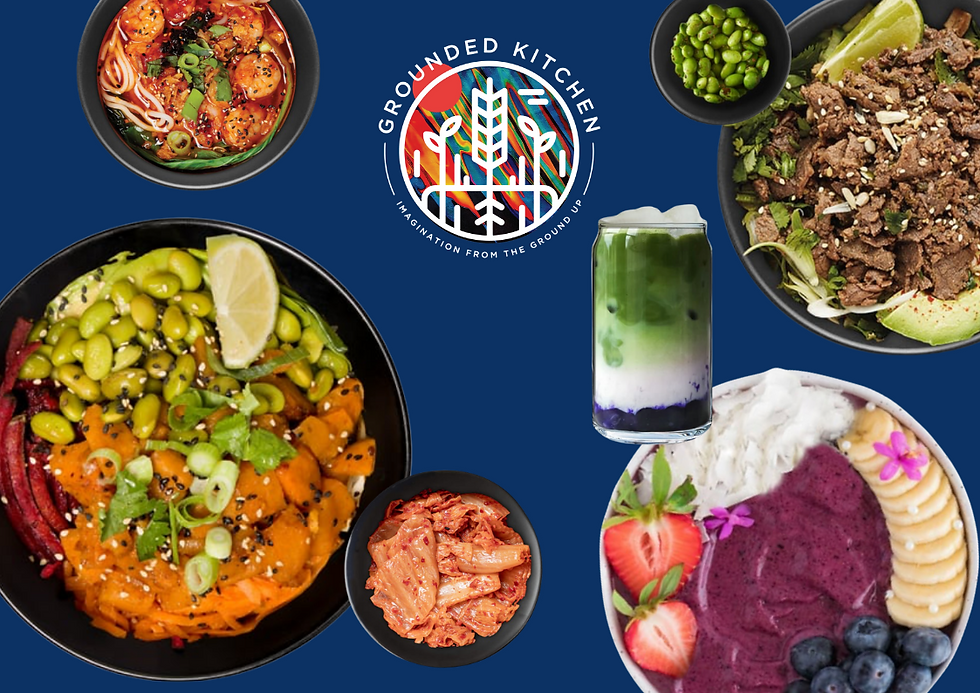
Korean eating culture exemplifies this beautifully through the concept of bap-sim (밥심) - literally translates as “the strength of rice.” in Korean culture, it refers to the idea that rice (and by extension, a proper meal) is the core source of energy, vitality, and even comfort. it’s not just about physical strength, but also the sense of being grounded, nourished, and sustained - both body and spirit.
beyond food: korean lifestyle practices for cortisol control.
your ideal strategy depends on several factors. consider tracking if you're an athlete with performance goals, managing a medical condition, or genuinely enjoy the data and structure it provides without stress or obsession.
choose intuitive eating if you've struggled with diet cycling, experience guilt around food choices, or find tracking triggers restrictive behaviours. it's also ideal if you're seeking a more sustainable, lifelong approach to eating that adapts naturally to your changing needs.
remember that these approaches aren't mutually exclusive. many people use tracking temporarily to learn about nutrition, then transition to intuitive eating. others might eat intuitively most of the time but track occasionally during specific training phases or health challenges.
Written by: Gabi Zaromskyte, MSc, ANutr
Registered Nutritionist | Intuitive Eating Counsellor | Holistic Health Coach
Comments